Office Clearance in Walthamstow

Office clearance in Walthamstow should be straightforward, well organised and suited to the way your premises actually operate. We handle the practical removal of unwanted office items, from desks and chairs to storage units, filing systems, screens, small equipment and mixed workplace contents, so your space can be prepared for reuse, refurbishment or handing back. The service is designed for businesses, landlords and managing agents that want a clear, tidy outcome without unnecessary disruption.
Our approach is shaped around structured removal rather than a hurried emptying process. That means we can work through rooms in a sensible order, separate reusable items from general waste, and help keep the job manageable when there are multiple areas to clear. Where offices contain combinations of furniture, archive material or old fittings, the aim is to remove what is no longer needed while leaving the remaining premises in a sensible state. Careful handling matters when access is narrow or items are bulky.
If you need an office clearance in Walthamstow, start by identifying the parts of the premises that need clearing and the type of items involved. A short enquiry is enough to begin planning. If you are ready to discuss the job, request a quotation today and we will help you work out the next step.
What our office clearance service covers
Office clearance is rarely just about taking away a few unwanted desks. In many workplaces, the task includes mixed furniture, shelving, archived paperwork, old reception fittings, broken appliances and stored items that have built up over time. We can clear individual rooms, whole floors or entire offices, depending on what needs to go. The work can also include separating items that are suitable for reuse from those that need disposal, which helps make the process more orderly and practical for commercial premises.
Different offices present different constraints. Some have lift access and wide corridors, while others involve stairs, shared entrances or limited loading space. We take those details into account when planning the removal sequence. Where clearance work needs to be carried out alongside ongoing operations, it is often better to work in sections so the office can keep functioning while the unwanted contents are removed. That kind of planning helps avoid unnecessary interference with staff movement, deliveries and daily tasks.
For more detail on how the work is organised across different premises, you can look at our office clearance service information and compare it with the wider business waste removal page where commercial disposal needs are discussed in broader terms. If your job includes furniture that is no longer needed but still needs careful removal from the building, the furniture clearance page may also be useful. These pages help show how different parts of the same kind of work can be handled in a practical way.
Items commonly included in an office clearance

Most office clearances contain a mixture of item types rather than one simple category. Typical examples include desks, chairs, cabinets, meeting tables, shelves, lockers, pedestals, screens and storage units. There may also be ancillary items such as noticeboards, reception pieces, packaging, obsolete accessories and some electrical equipment. The aim is to remove the contents that are no longer required and leave the premises clear enough for the next stage of use, whether that is reoccupation, maintenance or fit-out work.
It is often useful to think about the clearance in terms of fixed items, loose furniture and miscellaneous stored materials. Fixed items may need to be detached or worked around, while loose items can usually be moved out more quickly once access has been arranged. Stored materials can be more variable, especially if cupboards, archive rooms or back offices have accumulated old files, stationery or boxed stock. A sensible clearance plan takes account of all three categories so that nothing important is removed by mistake.
If the office also includes other spaces beyond standard workstations, you may find the supporting service pages helpful. The home clearance and house clearance pages explain how mixed contents are handled in domestic settings, while the garage clearance page can be useful for understanding how compact storage areas are emptied. Those pages are not office-specific, but they show the same careful approach to sorting, loading and taking away different item types.
Planning the clearance around your premises
Good planning makes office clearance easier to manage. Before the work begins, it helps to identify which rooms, desks or storage areas are included and whether any items need to remain in place. This avoids unnecessary movement and reduces the risk of confusion where several people use the same building. It is also helpful to note any access restrictions, building rules or time windows that apply, particularly in shared offices or managed properties. The clearer the brief, the easier it is to keep the job efficient.
There are a few simple points worth preparing in advance. You do not need a long inventory, but it is sensible to separate items that must stay from those that can be removed. If the clearance includes paperwork or confidential material, decide how that should be dealt with before the work starts. If there are lifts, loading bays or parking restrictions, mention them when arranging the quotation so the removal plan reflects the practical realities of the site rather than a generic assumption.
Useful information to have ready includes:
- which rooms or zones are to be cleared
- any items that should remain on site
- whether access is through stairs, lifts or shared corridors
- if the office contains heavy, awkward or dismantled furniture
- whether there are any time restrictions for visiting the premises
Furniture, storage and workspace items
Office furniture often forms the largest part of the clearance, and it needs to be handled in a way that suits both the item and the building. Desks and tables may be straightforward to remove when they are free-standing, but larger cabinets, conference furniture and modular units can take more care. We look at the layout first, then decide how items can be taken out without causing avoidable damage to walls, floors or door frames. That is especially relevant in fitted office environments where space is tight.
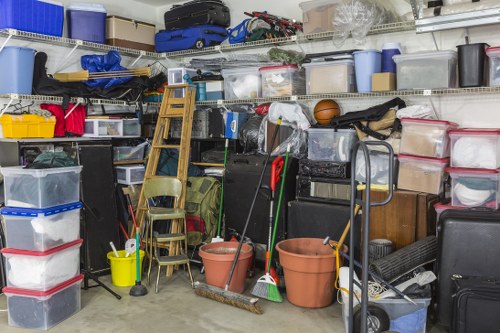
Storage items present another common challenge. Filing cabinets, shelving systems, cupboard contents and archive boxes can add weight and make a room awkward to work in, even before the main removal begins. A careful approach allows these areas to be tackled one section at a time. In some offices, the contents are relatively simple and can be cleared quickly; in others, the task involves sorting through layers of older material and deciding what should go, what should stay and what needs a separate disposal route.
For clients who want to understand related furniture handling options, the furniture disposal page offers a useful companion to this service, while the flat clearance page shows how contents can be removed from a property with limited access or multiple rooms. If you have a mixed clearance that includes offices and other premises, it may also be worth comparing the waste removal page so you can see how different types of non-reusable material are managed as part of a broader clear-out.
About Walthamstow

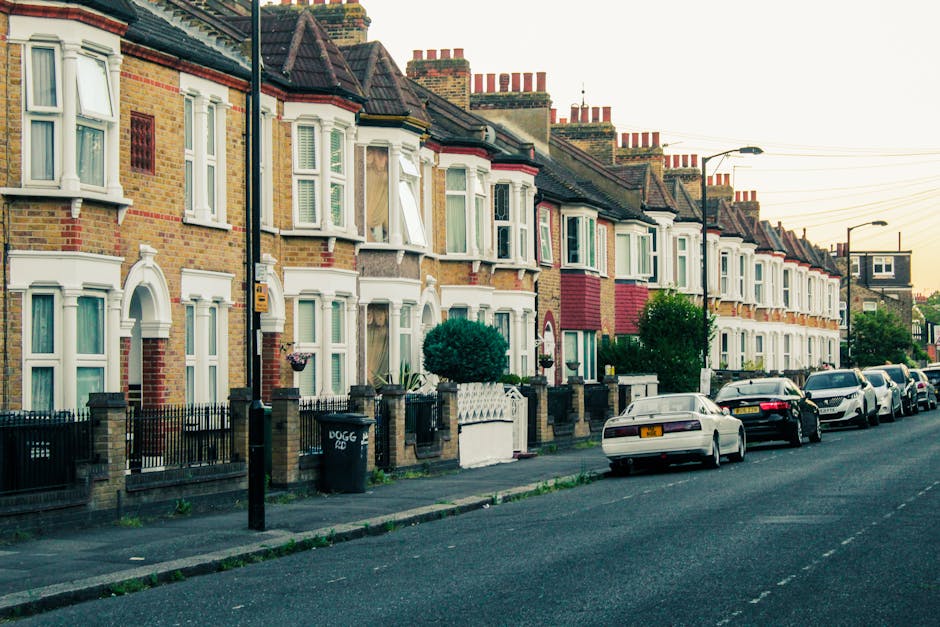
Walthamstow is a district in the London Borough of Waltham Forest in east London, known for a mix of residential streets, historic buildings and busy urban routes. The area developed from an old settlement recorded in the Domesday Book, and much of its later character reflects the growth of London into the surrounding villages and parishes. Walthamstow Village remains one of its best-known historic pockets, with older streets and buildings that give a sense of the district’s earlier development before large-scale urban expansion. The area also includes a broad range of twentieth-century housing, local shopping streets and civic facilities, which together create a varied townscape rather than a single uniform centre. Walthamstow Wetlands, to the north of the district, is one of the most significant open spaces in the area and is recognised for its reservoirs, wildlife value and walking routes. Lloyd Park provides another important green space, linking recreation with the broader local landscape. The area is also associated with William Morris, whose former home, now known as the William Morris Gallery, stands as a cultural landmark in Lloyd Park. Beyond these well-known sites, Walthamstow has long been shaped by transport links, market activity and a strong local identity that combines historic features with everyday urban life. Its streets, buildings and public spaces reflect layers of change, from older village patterns to suburban growth and modern regeneration.
Clearance for offices of different sizes
Not every office clearance has the same scale or layout. Some jobs involve a single suite, a back office or a small shared workspace, while others cover multiple rooms, partitioned floors or entire commercial units. The right approach depends on how much content is present, how it is distributed and how the building is used. A small office may be cleared quickly but still need careful sorting, while a larger premises may require a phased plan to keep the work controlled and avoid confusion.
Where several departments have used the same site over time, it is common to find a mix of recent furniture and older stored material. That can make the job more than a simple load-and-go removal. It may be sensible to separate meeting rooms, desks, storage areas and ancillary spaces into different stages, especially when the office contains items that need to be retained for records or reuse. We can work with that kind of structure so the clearance is organised around the building, not forced into one generic sequence.
For commercial properties that need a broader service than a single office room, the builders waste clearance page may also be helpful if the premises are being altered or refurbished at the same time. If you are looking at a general overview of how workplace waste is managed, the business waste removal page sets out the wider category in a way that can help you compare different needs before you decide what to remove.
How we approach sorting and disposal

Sorting is an important part of office clearance because not everything in a workplace should be treated the same way. Some items may be suitable for reuse, some may be broken beyond practical recovery and some may simply be outdated but still intact. A sensible clearance process looks at the condition and purpose of each item before it leaves the premises. That helps keep the job orderly and supports better decisions about what happens next.
The disposal stage can vary according to the type of material involved. Office furniture, hard plastics, wood-based items and mixed contents may all need different handling once they leave the room. Where possible, separating items before loading can make the later stages easier to manage. If there are materials that require particular caution, such as confidential paperwork or awkwardly shaped storage items, those should be identified early so the removal plan reflects them. This is one reason a clear description of the premises is useful from the outset.
If you are arranging work alongside other property services, the loft clearance page may be useful for understanding how cluttered storage areas are approached, and the garden clearance page shows how we deal with outdoor and mixed waste in a separate context. Those services are different from office clearance, but they can help illustrate how we adapt the handling process to the type of material and the access available.
Preparing for a quotation and next steps
When you ask for a quotation, the most helpful details are the ones that show what the office contains and how the space is arranged. A few photographs, room notes or a simple description of the items can usually give enough information to begin. It also helps to say whether the clearance is limited to certain rooms or whether the whole site is included. If there are bulky items, access restrictions or fixed furniture, mention those points so the estimate can reflect the actual work rather than a guess.
It is also worth thinking about the timing of the clearance. Some offices need work to happen outside normal hours, while others can be cleared during the day if the space is already vacant. If the building is occupied, there may be a need to stage the work carefully so staff can keep using unaffected parts of the premises. That is where a concise but accurate summary saves time later, because it gives a clearer picture of how the clearance should be handled from the beginning.
For pricing information and to make an enquiry, the pricing and quotes page is a useful place to look. If you are ready to proceed, ask for a quotation and we can help shape the work around your office, your access arrangements and the type of items to be removed.
Office clearance for practical workplace changes
Office clearance is often part of a wider workplace change rather than a standalone task. A business may be moving to smaller premises, returning a leased space, refreshing an internal layout or clearing out areas that have become underused. In those situations, the job is not only about removing contents; it is about making the premises easier to hand over or repurpose. That is why the work needs a sensible sequence and a clear understanding of what should remain.
Some clearances also involve a degree of decision-making on site. For example, a room may contain furniture that still has some value, alongside items that are simply no longer suitable for continued use. There may also be old display pieces, reception fittings or general contents stored in cupboards that need review before removal. A flexible process is useful here because office environments often accumulate a mixture of records, equipment and furniture over time, and each element may need a different treatment.
If your project involves items beyond standard office contents, the furniture clearance page may help you compare what is being taken away, while the home clearance page can provide a parallel example of how mixed contents are managed when a space needs to be emptied with care. For a quick next step, just request a quotation and explain what the office contains.
Choosing the right scope for the job
One of the most useful parts of arranging office clearance is deciding the right scope before the work begins. You may only need a single room emptied, or you may want a larger section of the office cleared in one visit. Defining the scope avoids misunderstanding and helps make sure the removal matches the actual needs of the premises. It also allows the work to be paced properly when different rooms contain different types of content or access conditions.
Where several services are being considered together, it can help to distinguish between furniture removal, general waste and a complete office emptying. These are related tasks, but they are not always identical. A clear office may still contain fitting issues, old storage or leftover materials that need to be assessed separately. Taking a careful view at the start helps avoid rushing into an over-simple plan that does not reflect the condition of the space. If you are uncertain, a short written summary usually gives enough detail to make the next step more straightforward.
For a final point of contact, visit the contact us page when you are ready to discuss your office clearance in Walthamstow. A concise description of the rooms, items and access is enough to begin, and we can then help turn that into a workable quotation.