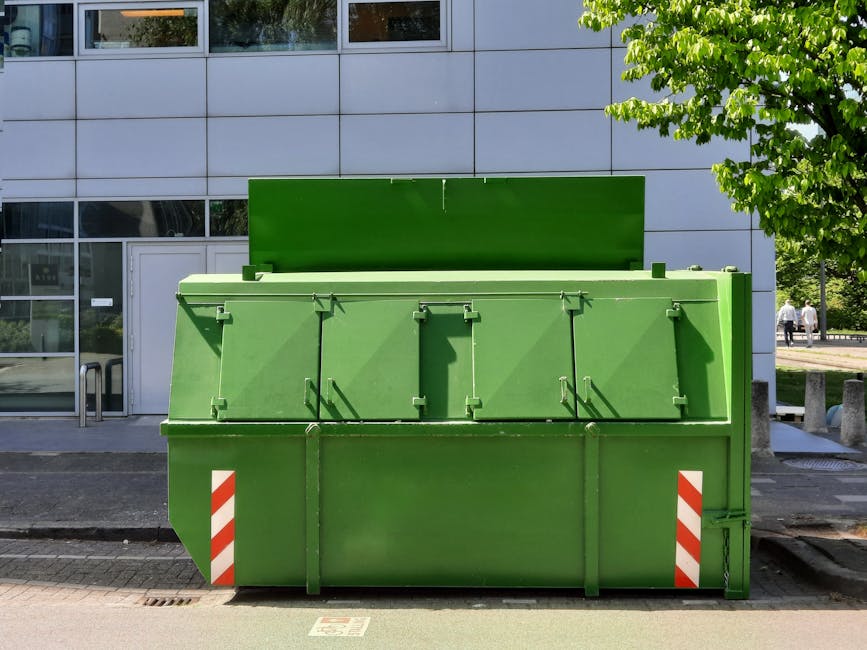
Need a permit for skip hire in Walthamstow? Council guide

If you are arranging a skip in Walthamstow, the permit question usually comes up fast. Do you need one, who gets it, and what happens if the skip is going on the road outside your home or business? For many people, that's the bit that feels a little murky. This guide gives you a clear, practical answer to Need a permit for skip hire in Walthamstow? Council guide, so you can plan the job properly, avoid awkward delays, and keep everything compliant from the start.
Truth be told, most skip-hire headaches are not about the waste itself. They are about placement, timing, access, and the small details that are easy to overlook when you just want the rubbish gone. So let's keep this simple, local, and useful.
- Why it matters
- How skip permits work
- Key benefits and practical advantages
- Who needs this and when it makes sense
- Step-by-step guidance
- Expert tips
- Common mistakes to avoid
- Tools, resources and recommendations
- Law, compliance, standards, or best practice
- Options, methods, or comparison table
- Case study or real-world example
- Practical checklist
- Conclusion
- Frequently asked questions
Why Need a permit for skip hire in Walthamstow? Council guide Matters
The short version: if your skip is going on a public highway, you will usually need a permit. In everyday language, that means the road, pavement, or verge rather than your own private land. That distinction matters more than people expect. A skip on private property is typically simpler. A skip on the street can involve council rules, permit timing, safety conditions, and sometimes extra costs.
Why should you care? Because the wrong setup can lead to wasted time. A skip arriving before the permit is in place can be left sitting there, unusable. Worse, it may create a compliance issue. And nobody wants to be the person moving soil bags around at 7 a.m. while trying to figure out what went wrong.
In a busy area like Walthamstow, space is precious. Narrow roads, resident parking, delivery traffic, and tight front gardens all shape what is possible. If you are renovating a flat, clearing a house, or dealing with builders' waste, the location of the skip can affect the whole project. A simple permit check early on can save a proper mess later.
There is also a safety angle. A skip in the wrong place can obstruct visibility, block access, or make life harder for pedestrians and drivers. That is not just inconvenient; it can be risky. Good planning keeps the job tidy and keeps everyone moving.
If you are also comparing skip hire with a full collection service, it may help to look at broader waste removal options or a more hands-off service such as builders waste clearance when a skip is not the neatest answer.
How Need a permit for skip hire in Walthamstow? Council guide Works
The process is usually straightforward, even if it sounds a bit official. Here is the basic flow.
- Decide where the skip will sit. If it stays on your drive, forecourt, garden, or other private land, a permit may not be needed. If it must go on the road, a permit is usually required.
- Check the space realistically. A skip can look compact on paper and feel much bigger in real life. Think about lorry access, parking bay width, turning room, and whether doors, gates, or low branches may get in the way.
- Arrange the permit before delivery. In many cases the skip provider handles the permit application or guides you through it. That is the cleanest route, because they know the practical side of delivery timing.
- Confirm the placement conditions. Some permits come with rules about lights, cones, reflective markings, or where the skip can stand. These details sound small, but they are the bits that keep the setup safe.
- Keep the skip within the approved period. Permits are time-limited. If the job runs over, do not assume it will quietly carry on. Ask for an extension or a fresh permit if needed.
That is the general pattern. The exact process can vary depending on the council process in force at the time and the provider you use, so it is always worth double-checking before booking. A quick conversation at the start is far easier than a correction mid-job.
If you are clearing a flat or doing a staged move, a skip may not be the only option. Some jobs work better with a combined approach, such as a skip for rubble and a separate service for household items. For example, flat clearance can be useful when you need a room-by-room tidy rather than a large container parked outside for days.
Key Benefits and Practical Advantages
People often think the only benefit of sorting a permit is avoiding trouble. Fair enough, that is a big one. But there are several practical wins too.
- Better planning: Knowing whether the skip can sit on the road affects how soon the job can begin.
- Less disruption: A properly placed skip keeps the project organised and reduces repeated trips to the tip.
- Safer site layout: Clear placement helps keep walkways, driveways, and vehicle access sensible.
- Fewer surprises: Permit requirements, timings, and restrictions are easier to handle before delivery than after.
- More efficient waste handling: You can choose the right service and size for the job, not just the nearest available option.
There is a quieter benefit too: peace of mind. Once the permit question is settled, you can get on with the real task. Painting, ripping out old units, sorting out the garage, or clearing out a loft. The admin fades into the background, which is where you want it.
For businesses, the payoff can be even clearer. If waste is part of a regular workflow, having a compliant setup helps operations stay smooth. A commercial site may be better served by business waste removal or office clearance instead of leaving the team to manage skips and permits every few weeks.
Who This Is For and When It Makes Sense
This guide is for anyone in Walthamstow who is likely to hire a skip and is not sure whether the council gets involved. That includes homeowners, landlords, tradespeople, shop owners, office managers, and anyone who is staring at a pile of rubbish thinking, "Right, how do I actually shift this?"
It makes most sense in situations like these:
- House or home clear-outs: Moving house, decluttering, or dealing with bulky mixed waste.
- Renovation work: Bathrooms, kitchens, knock-throughs, flooring, plaster, and general builders' waste.
- Garden projects: Soil, turf, hedge cuttings, fencing, and old outdoor materials.
- Garage, loft, or shed clearances: The sort of job that starts with one box and somehow becomes ten.
- Business clean-ups: Fit-outs, storage refreshes, or office downsizing.
In some cases, a skip is not the smartest route at all. If the items are mainly furniture, a skip can be a clumsy solution. You may be better off with a dedicated furniture clearance or furniture disposal service, especially if you want the heavy lifting handled for you.
And if your job is domestic but spread across different rooms or floors, a broader house clearance or home clearance approach can sometimes make life much simpler. Not glamorous. Just easier.
Step-by-Step Guidance
If you want the process to run smoothly, use this order. It keeps the permit issue, the access issue, and the waste issue in the right sequence.
- List what you are throwing away. Mixed waste, rubble, garden waste, and bulky items may not all behave the same way in a skip. Knowing the contents helps you choose the right size and method.
- Measure the space where the skip may go. Check width, length, and overhead clearance. If you only have a roadside option, think about parking bays and traffic flow too.
- Ask whether the skip will be on private land or public land. This is the key permit question. If the container goes on the road, expect the council permit conversation.
- Book through a provider that can explain permit handling clearly. A good provider will not make this sound mysterious. They should tell you what they can arrange and what you need to confirm.
- Choose the right skip size. Too small means extra trips or an overfilled container. Too big can waste money and space.
- Set a realistic collection date. If the project is likely to run long, leave a little breathing room. Everyone does better when there is a margin.
- Keep prohibited items out. Some waste types need separate handling. Ask before loading batteries, chemicals, tyres, fridges, or paint containers.
- Check the final position before delivery. Once the vehicle arrives, small mistakes become bigger. A few minutes spent checking can save a call back later.
A small but useful trick: walk the route from the road to the intended drop point as if you were the driver. Is there a low branch? A parked car? A narrow bend? That mental rehearsal catches problems surprisingly well.
Expert Tips for Better Results
Here is where the practical side really pays off.
1. Treat the permit as part of the booking, not an afterthought. People often decide on the skip and then remember the permit later. That usually creates delay. Build the permit check into the first call or quote request.
2. Keep the waste stream as clean as possible. If you mix too many material types, you may make disposal more complicated than it needs to be. Separate reusable items, recyclables, and general waste where you can.
3. Do not overfill. This sounds obvious, but in practice people push waste above the fill line and hope for the best. Let's be honest, everyone has done the "just one more bag" thing. It rarely helps.
4. Think about neighbour impact. In a tight street, a skip can affect parking, sightlines, and access. A courteous approach avoids complaints and, frankly, keeps life calmer.
5. Match the service to the job. A skip is great for some projects and mediocre for others. A full clearance service may be cleaner, faster, and less stressful for furniture-heavy jobs.
6. Ask about sustainability and disposal standards. Good waste handling is not only about removing things quickly. It is also about where the waste goes afterwards and how much can be reused or recycled. If that matters to you, look at the provider's recycling and sustainability approach.
One more thing. If you are sorting a stubborn space like a loft or garage, the amount of stuff can be deceptive. What looks like "a few old boxes" can become two van-loads once you start lifting lids. That is normal. Annoying, but normal.
Common Mistakes to Avoid
Most permit problems come from the same handful of errors. The good news is they are easy to avoid once you know what to look for.
- Assuming a street skip never needs a permit. If it is on public land, do not guess.
- Booking before checking access. A skip lorry needs room to place and collect the container safely.
- Leaving permit arrangements until the last minute. That can delay the whole project.
- Using the wrong disposal method for the waste type. Furniture, soil, rubble, and mixed rubbish may need different handling.
- Forgetting about collection timing. Permits do not last forever, and schedules can slip.
- Overloading the skip. It creates safety and transport problems and can lead to extra charges or refusal of collection.
- Ignoring council or provider conditions. Things like visibility, placement, and access are not just formalities.
A classic mistake is people thinking the skip itself solves the problem, full stop. It does not. It solves the storage problem for waste. The rest still needs planning.
Tools, Resources and Recommendations
You do not need fancy tools for this, but a few simple things make the process easier.
- Measuring tape: Useful for driveways, side access, and clearance heights.
- Phone camera: A quick photo of the proposed skip location helps when speaking to a provider.
- Notepad or notes app: Keep the size, dates, and key instructions in one place.
- Bin liners or heavy-duty bags: Handy for sorting lighter waste before it goes into the skip.
- Labels or tape: Helpful if you are separating reusable items from rubbish during a bigger clearance.
For people managing home projects, it can also help to compare skip hire with a one-off clearance service. If you want the waste taken away without managing the container, a waste removal service may be more practical. If you are clearing outdoor waste specifically, garden clearance can be the neater choice.
Some jobs also benefit from a more targeted service. For instance, clearing out a cluttered loft or sorting a garage full of mixed household items can be easier with a specialised approach such as loft clearance or garage clearance. That way you are not paying for a container when what you really need is hands-on help.
Law, Compliance, Standards, or Best Practice
Skip permits sit in the wider world of local waste and highway management. While the exact council process can differ, the underlying best-practice principle is consistent: if the skip is on a public road or other highway land, you should expect permission to be needed and conditions to apply.
From a practical compliance perspective, the main things to keep in mind are:
- Placement: Private land is usually simpler than public highway placement.
- Safety: The skip should not create avoidable hazards for pedestrians, cyclists, or drivers.
- Access: Emergency access and regular access should not be blocked.
- Time limits: Permits are generally temporary and may need renewal if the job overruns.
- Waste handling: Certain materials should be separated or disposed of through appropriate channels.
It is also worth remembering that responsibility can be shared in practice. The skip provider may arrange or advise on the permit, but you still want to confirm the details yourself. That is just sensible. A quick check now beats a problem later.
If your project is commercial, you may also want to think about workplace safety, insurance, and clear access arrangements. Pages like health and safety policy and insurance and safety can be useful reading if you want to understand how a provider frames its responsibilities.
Options, Methods, or Comparison Table
Not every waste job needs the same solution. Here is a simple comparison to help you decide.
| Option | Best for | Permit likely needed? | Practical note |
|---|---|---|---|
| Skip on private land | Driveways, forecourts, gardens with access | Usually no | Often the easiest route if space allows |
| Skip on road or pavement | Homes with no private access | Usually yes | Needs more planning and timing |
| Full waste removal service | Mixed household or bulky waste | No skip permit | Good when you want someone else to load and remove |
| Specialist clearance | Furniture, lofts, garages, offices, gardens | No skip permit | Can be cleaner and faster for awkward jobs |
The table is deliberately simple. Real-life jobs are messier. A small renovation might start as "just a bit of waste" and then turn into a far bigger task once the tiles come off and the underlay appears. It happens all the time.
If the decision is still unclear, compare the cost of a skip, the permit friction, and the time you will spend filling it. Sometimes the cheapest option is not the easiest. Sometimes the easy option is actually the cheapest once you count your own time. Annoying, but true.
Case Study or Real-World Example
Picture a typical Walthamstow terrace. A homeowner is clearing out a front room, replacing a kitchen, and dealing with an old shed at the back. The driveway is too short for a large container, and the front garden is already tight with bins and bicycles.
At first, a roadside skip sounds fine. But once the dimensions are checked, it becomes clear that the skip will sit on the street and a permit will be needed. That changes the timing. Instead of ordering "for tomorrow", the homeowner now books in a way that leaves room for permit handling, delivery, and collection. The job starts later than they hoped, but it runs smoothly.
They also split the waste properly. Heavier building debris goes in one load, while old furniture and general household items are handled separately through a clearance service. The result? Less overfilling, fewer surprises, and a much tidier finish. And, crucially, no awkward moment when the skip lorry turns up and there is nowhere lawful to put the container.
What stands out in jobs like this is not the waste itself. It is the planning. The people who do best are usually the ones who ask the boring question first: "Where exactly is this going to sit?" Boring, yes. Useful, absolutely.
Practical Checklist
Use this checklist before you book.
- Have I confirmed whether the skip will be on private land or the public highway?
- Do I know the approximate size of skip I need?
- Have I measured the space for delivery and collection?
- Have I checked for access issues like parked cars, low branches, narrow gates, or steps?
- Do I understand whether a permit is needed and who will handle it?
- Have I allowed enough time for delivery, use, and collection?
- Do I know what can and cannot go in the skip?
- Have I considered whether a clearance service would be better than a skip?
- Have I thought about neighbours, parking, and street impact?
- Am I clear on the provider's terms, timing, and disposal approach?
If you can tick most of those off, you are in good shape. If not, that is fine too. Better to sort it now than stand outside later wondering why the container has not appeared.
Get a free quote today and see how much you can save.
Conclusion
The main takeaway is simple: if your skip is going on the road in Walthamstow, a permit is usually part of the process, and it is worth dealing with early. That one decision affects timing, placement, safety, and how smoothly the whole job runs. If the skip can sit on private land, things are often easier. If not, a bit of planning goes a long way.
Whether you are clearing a home, dealing with builders' waste, or tidying a business space, the smartest approach is the one that fits the site, the waste type, and the practical reality of the street outside. Keep it simple. Ask the right questions. And do not leave the permit conversation until the last minute.
Once that part is settled, the rest tends to feel far less stressful. And honestly, that is the real win.
Frequently Asked Questions
Do I need a permit for a skip on my driveway in Walthamstow?
Usually not, if the skip stays entirely on private land and does not overhang or obstruct the public highway. The key issue is where the container sits. If there is any doubt, it is worth checking before booking.
When is a skip permit usually required?
A permit is generally needed when the skip is placed on a road, pavement, verge, or other public highway area. That is the most common trigger. Private land is a different story.
Who applies for the permit?
In many cases, the skip hire provider handles the permit or guides you through the process. Still, you should confirm this in advance so there are no delays on delivery day.
How long does a skip permit last?
The length can vary depending on the local process and the arrangements made for your job. Permits are temporary, so if your project runs long, ask about extending it rather than assuming it will keep going.
Can a skip block parking spaces or part of the road?
Sometimes, yes, but only if the placement is allowed under the relevant permit conditions. This is exactly why the location should be checked carefully before the skip arrives.
What happens if I place a skip on the road without permission?
That can lead to problems, including enforcement action, removal, or delays. It is not worth the gamble. A quick permit check is far easier than dealing with the fallout.
Is a skip always the best option for waste in Walthamstow?
No. For some jobs, a full clearance service is better, especially for furniture, household contents, or mixed items that are awkward to load. The best option depends on what you are disposing of and how much space you have.
What waste should never go in a skip?
Some materials need special handling, such as certain hazardous items, batteries, chemicals, and a few electrical goods. Always ask the provider what is excluded before loading the skip.
How can I avoid permit delays?
Book early, confirm the exact location, measure the space, and make sure the permit arrangement is discussed before the delivery date. A bit of preparation keeps things moving.
What if I only need to clear furniture or a garage?
You may be better off with a targeted service such as furniture clearance or garage clearance. That can save time, space, and the hassle of dealing with a skip permit.
Can I use a skip for garden waste?
Yes, often you can, but it depends on the mix of waste and the amount of space you have. For outdoor jobs, garden clearance may be a simpler alternative if you want the work handled end to end.
Where can I get help if I am still unsure?
If you are weighing up skip hire, permits, and alternative clearance options, a short conversation with a local waste specialist is usually the quickest way forward. If you want to explore wider service details, about us is a good place to start, and contact us can help you take the next step.