Upcycle, Don't Toss: Turning Household Trash Into Charming Artifacts
Introduction: The Art of Upcycling at Home
In an age where sustainability and environmental responsibility are more important than ever, many are turning to upcycling household waste as a powerful solution. *Upcycle, don't toss* - this mantra is gaining popularity, urging us to transform what we might consider trash into charming, useful, and even beautiful artifacts. Instead of contributing to overflowing landfills, why not spark your creativity and craft something unique? In this extensive guide, you'll learn how to convert everyday household trash into upcycled treasures while being eco-friendly and cost-effective.
What is Upcycling?
Upcycling is the creative process of taking discarded items and transforming them into products of higher value or quality. Unlike recycling, which breaks down materials for reuse, upcycling focuses on reimagining and reusing existing materials without degradation. This approach breathes new life into broken, unwanted, or obsolete objects and turns them into virtuous creations that enhance our living spaces and lifestyles.
Why Upcycle Instead of Toss?
- Reduces waste: Upcycling household trash keeps items out of landfills, directly benefiting the environment.
- Saves money: Making art and practical items from what you already have reduces costs on new purchases.
- Fosters creativity: Repurposing trash into treasures ignites your imagination and problem-solving skills.
- Strengthens community: Upcycling projects can connect neighbors, friends, and families through shared activities.
- Personal satisfaction: Creating unique, personal artifacts is deeply rewarding.
Popular Items Perfect for Upcycling
Before tossing anything in the trash, consider its *upcycling potential*. Here are common household items that can become the foundation for your next project:
- Glass jars and bottles: From sauces, pickles, or beverages.
- Plastic containers: Yogurt, butter, or takeout packaging.
- Cardboard boxes: Cereal, shoeboxes, or shipping cartons.
- Tin cans: Soup, beans, or vegetable cans.
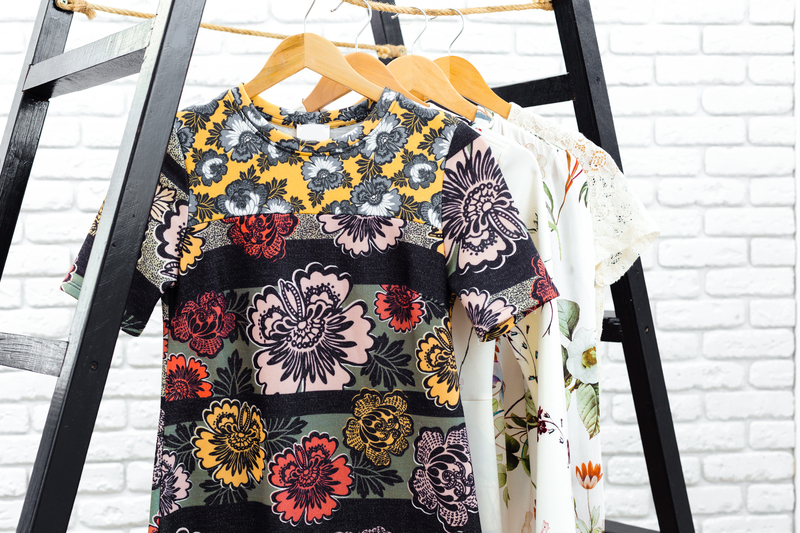
- Old clothing and textiles: T-shirts, jeans, sheets, or towels.
- Broken furniture and wood scraps
- Paper: Magazines, newspapers, or wrapping paper.
- CDs and DVDs
- Wine corks and bottle caps
Let's explore *how to upcycle these household disposables* into delightful, functional, and decorative objects.
Creative Upcycling Ideas for Household Waste
1. Glass Jars and Bottles: From Trash to Treasure
Glass is one of the most versatile materials to upcycle household disposables. Rinse out jars and bottles and envision their new role in your home.
- Transform jars into quirky storage for pantry staples, spices, or office supplies.
- Paint or etch bottles for unique vases or candle holders.
- Create hanging lanterns with wire and tealights.
- Turn small jars into terrariums or indoor herb planters.
- Decorate with ribbons, beads, or decals for customized decor.
2. Upcycling with Plastic Containers
Plastic can be resilient and surprisingly versatile when upcycled. Try the following:
- Cut larger containers into drawer organizers or makeup storage.
- Paint and stack yogurt cups to make mini plant pots or a vertical garden.
- Use clear containers as seed starters for your garden.
- Design unique toys or building blocks for kids.
- Create storage bins by reinforcing with decorative tape or fabric.
3. Cardboard Boxes: Not Just for Packing
Cardboard is easy to manipulate and strong enough for many upcycling projects.
- Cut and decorate as desk organizers or magazine holders.
- Craft gift boxes, drawer dividers, or DIY puzzles for children.
- Make wall art by layering shapes and painting.
- Construct cat castles or playhouses for pets and kids.
4. Tin Cans: An Industrial Chic Touch
Don't toss tin cans after dinner - they can become beautiful upcycled household artifacts.
- Punch holes and insert candles for DIY lanterns.
- Paint and label cans for gardening or utensil holders.
- Create wind chimes or mobiles by stringing painted cans together.
- Use as rustic planters, adding a touch of industrial design to your home or garden.
5. Old Clothing and Fabric: Chic and Cozy Artifacts
Upcycling old textiles is both eco-friendly and sentimental. Refresh memories by giving clothes and fabrics new purpose:
- Make stylish tote bags or cushion covers from shirts and jeans.
- Create braided rugs or woven baskets from fabric strips.
- Turn baby clothes into memory quilts or teddy bears.
- Use old towels for cleaning rags or pet bedding.
Upcycling as DIY Home Decor
Upcycled items can become standout pieces in your home decor, adding warmth, story, and personality.
Wall Art & Murals
- Assemble paper collages or magazine cutouts into modern abstract art.
- Frame fabric swatches or pressed flowers in old window frames.
- Mount painted tin can lids or broken CDs for a mosaic effect.
Funky Lighting
- Convert wine bottles into sleek pendant lamps.
- Use glass jars as charming fairy light lanterns.
- Wrap old wire around bulbs for funky industrial fixtures.
Rustic Planters & Gardens
- Stack painted cans or containers for a vertical herb garden.
- Repurpose wooden boxes or barrels for outdoor planters.
- Macrame old t-shirts into hanging plant holders.
Furniture Revamps
- Upcycle an old ladder as a bookshelf or towel rack.
- Paint and reupholster old chairs for new life.
- Combine wooden pallets into coffee tables or benches.
- Add mosaic tile art from broken ceramics to furniture surfaces.
Upcycling for Kids: Fun & Learning Combined
Children love hands-on activities, and upcycling household trash into creative artifacts for kids is both fun and educational.
- Create musical instruments from tin cans, rice, and rubber bands.
- Make puppets or dolls from socks, paper, and yarn.
- Build robots or animals from boxes, bottle caps, and pipe cleaners.
- Design DIY board games from cardboard and markers.
*Upcycling as a family activity* not only teaches children about sustainability but also encourages resourcefulness and teamwork.
Artisan Gifts: Upcycled with Love
Looking for memorable and meaningful gifts? Upcycled household treasures make one-of-a-kind presents filled with personal touches:
- Turn glass bottles into elegant candle holders for housewarming gifts.
- Decorate tins as sweet jars for handmade cookies or candies.
- Craft photo frames from cardboard and embellishments.
- Make memory books or scrapbooks with paper and fabric scraps.
The Environmental Impact: Why 'Upcycle, Don't Toss' Matters
The world generates billions of tons of municipal solid waste each year. Most of this ends up buried or burned, releasing toxins and wasting valuable resources. By upcycling household waste into useful and decorative artifacts, individuals can make a tangible difference:
- Reduces landfill strain: Less trash means less space and pollution from decomposing waste.
- Saves energy: Upcycling uses far less energy than recycling or manufacturing new products.
- Conserves raw materials: Repurposing extends the life cycle of goods, preserving natural resources.
- Promotes a sustainable, circular economy - moving away from the "take, make, dispose" mentality.
Moreover, with rising global awareness, upcycling at home is an excellent way to lead by example and inspire others in your community to think creatively about their own waste.
Getting Started: Practical Tips for Home Upcycling
1. Set Aside a Collection Bin
Dedicate a spot in your home for storing items with upcycling potential. Rinse containers, flatten boxes, and sort materials like glass, metals, textiles, and plastics.
2. Gather Basic Supplies
- Paints, markers, and brushes
- Hot glue gun and strong adhesives
- Scissors, utility knives, and cutters
- String, twine, or wire
- Decorative embellishments: buttons, beads, ribbons
- Protective covers: newspaper, apron
3. Search for Inspiration
- Browse websites and social media for upcycling project ideas.
- Join local workshops or online communities.
- Share your own creations to spark further creativity!
4. Start Small and Scale Up
Begin with short, manageable projects. As skills and confidence grow, experiment with larger pieces or more complex items. *Don't be afraid to make mistakes - each attempt reveals new possibilities!*
Conclusion: Make Upcycling a Part of Everyday Life
Embracing the upcycle, don't toss spirit transforms not just your trash, but your overall approach to consumerism and the environment. Start looking at everyday waste as a resource for creative self-expression and sustainability. Whether you're crafting whimsical home decor, functional storage, gifts, or family memories, you are making a meaningful change. Every bottle, box, and bit of fabric kept from the landfill helps build a cleaner, more imaginative world.
So next time you're about to throw something away, pause and ask - can this be upcycled? *Your home, your wallet, and the planet will thank you for every artifact you create from so-called "trash."*
Frequently Asked Questions (FAQ)
- Q: What is the difference between recycling and upcycling?
A: Recycling involves breaking materials down to make new products, often degrading the quality in the process. Upcycling transforms waste into new, higher-value products without breaking down the material. - Q: What household items can be upcycled?
A: Most household waste can be upcycled: glass, plastics, cartons, metal cans, paper, textiles, wood, and more. - Q: Is upcycling safe at home?
A: Yes, as long as you clean items thoroughly, handle sharp tools carefully, and supervise children when necessary. - Q: Where can I find upcycling ideas?
A: Online platforms like Pinterest, Instagram, and DIY websites provide endless inspiration for upcycling household trash into charming artifacts.
Remember: Upcycle, don't toss! Every artifact you craft is a small act of environmental kindness - and a celebration of creativity.
